By Anthony Antem
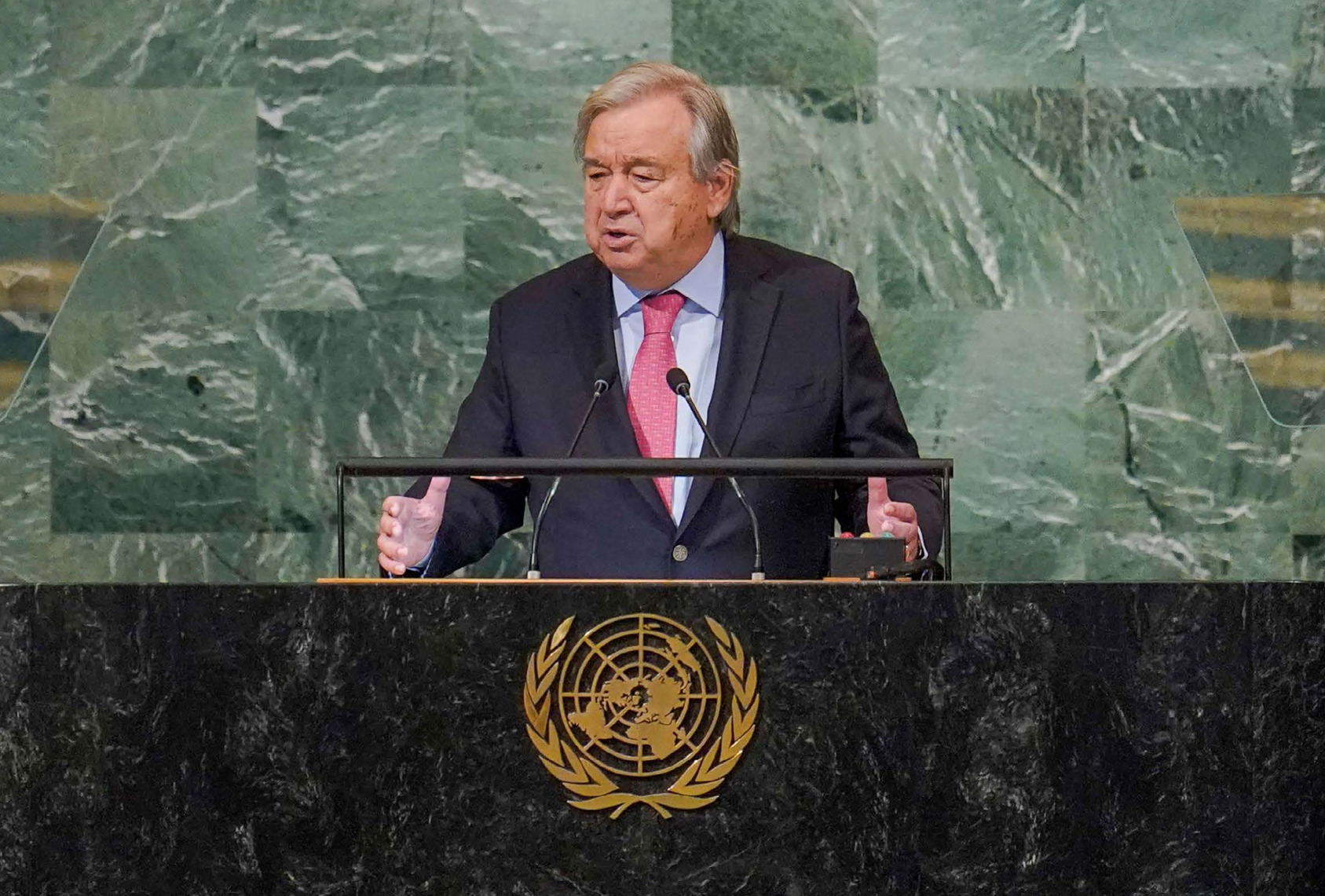
The forthcoming selection of a new Secretary-General of the United Nations presents a critical opportunity to align global governance institutions with the realities of an evolving international order. As geopolitical power becomes increasingly diffuse and demands for more inclusive multilateralism grow, Africa’s longstanding quest for permanent representation on the United Nations Security Council has gained renewed urgency and relevance.
Introduction: Africa’s place In a Changing Global Order
Africa’s case for permanent representation on the United Nations Security Council (UNSC) is reinforced by the continent’s growing global significance. This debate is particularly relevant for Africa, home to over 1.4 billion people and whose demographic growth, economic potential, and diplomatic influence continue to expand. With 54 member states, Africa constitutes the largest regional bloc, accounting for roughly 28 percent of UN member states and is projected to be home to nearly 2.5 billion people by 2050, making it one of the most important demographic and political forces in the international system. The continent also contributes substantially to UN peacekeeping efforts and continues to feature prominently on the Security Council’s agenda, with African issues comprising an estimated 60–70 percent of Council deliberations in many years. Despite its growing global significance and the fact that many Security Council deliberations focus on African issues, the continent remains the only inhabited continent without permanent representation on the Security Council. The upcoming leadership transition therefore presents a critical opportunity to address this longstanding imbalance. For the UN to remain credible and reflective of contemporary geopolitical realities, meaningful reform must include stronger African representation in the Security Council.
The Representation Gap: Why the Current Security Council No Longer Reflects Today’s World
Established in 1945 in the aftermath of the Second World War, the UNSC, was designed to maintain international peace and security through a structure that granted permanent membership and veto powers to five major powers: China, France, Russia, the United Kingdom, and the United States. At the time of the Council’s creation, much of Africa remained under colonial rule and had little influence in international affairs. Today, Africa comprises 54 sovereign states, represents nearly a third of UN membership, and plays an increasingly important role in global diplomacy, peacekeeping, trade, and economic development. The rise of emerging powers such as India, Brazil, and South Africa, alongside the growing influence of regional organizations such as the African Union, has transformed the international system into a more multipolar order. This representation gap is particularly striking given that a significant proportion of Security Council deliberations, resolutions, sanctions regimes, and peacekeeping operations have focused on African conflicts and security challenges. As a result, decisions affecting the continent are often made without a permanent African voice at the highest level of global security governance. This imbalance raises important concerns about the legitimacy, accountability, and inclusiveness of the UNSC, while also limiting African ownership of decisions that directly shape peace and security outcomes across the continent.
Africa’s Position on Security Council Reform
The foundation of Africa’s demand for permanent representation on the Security Council is rooted in the Ezulwini Consensus, adopted by the African Union in 2005. The Consensus represents Africa’s unified position on UN reform and argues that the continent’s historical exclusion from permanent decision-making structures is both unjust and incompatible with contemporary global realities. It calls for Africa to be allocated no fewer than two permanent seats with all the prerogatives and privileges of current permanent members, including the right of veto should the veto system remain in place, as well as five additional non-permanent seats. More than a reform proposal, it serves as a statement of Africa’s commitment to a more equitable, representative, and democratic system of global governance. As discussions surrounding the next Secretary-General gather momentum, reaffirming and advancing the Ezulwini Consensus should remain central to Africa’s diplomatic engagement on Security Council reform.
Obstacles to Reform
Despite growing support for Security Council reform, significant political and institutional obstacles continue to hinder progress. Foremost among these is the resistance of some current permanent members, who may perceive changes to the Council’s composition as a challenge to their influence and privileges within the existing system. Reform efforts are further complicated by the stringent requirements for amending the UN Charter, which necessitate broad approval from member states, including ratification by all permanent members of the Security Council. Within Africa, maintaining a unified position also presents challenges, particularly regarding which countries might ultimately occupy any newly created permanent seats. Such divisions could weaken the continent’s collective bargaining power and dilute its advocacy efforts. Beyond these internal and procedural constraints, intensifying geopolitical rivalries among major powers have made consensus on institutional reform increasingly difficult, often relegating Security Council reform to the margins of international diplomatic priorities.
The Secretary-General Transition as a Strategic Opportunity
The selection of a new United Nations Secretary-General offers a strategic opportunity to reinvigorate discussions on institutional reform and the future of multilateralism. While the Secretary-General does not possess the authority to unilaterally alter the structure of the Security Council, the office plays a significant agenda-setting and consensus-building role, helping to shape global conversations on the effectiveness, legitimacy, and inclusiveness of international institutions. This leadership transition comes at a time when countries across the Global South are increasingly calling for reforms that better reflect contemporary geopolitical realities and address longstanding disparities in representation and influence. Against this backdrop, Africa has a unique opportunity to leverage the transition period to elevate Security Council reform on the international agenda, build coalitions with like-minded states, and advance the case for a more representative system of global governance. By linking its demand for permanent representation to broader calls for multilateral reform, Africa can position Security Council reform as a necessary step toward strengthening the credibility and effectiveness of the United Nations in an increasingly multipolar world.
Policy Pathways for Africa
What African Policymakers Should Do
To capitalize on the momentum generated by the Secretary-General selection process, African states must adopt a proactive and coordinated diplomatic strategy that places Security Council reform at the forefront of international discussions. This requires intensified engagement with UN member states, regional groups, and key decision-makers before, during, and after the leadership transition to ensure that Africa’s reform agenda remains visible and politically salient. Equally important is the need to build broad coalitions with Global South partners and reform-minded states that share concerns about the inequities embedded in existing global governance structures. By framing Security Council reform as part of a wider effort to democratize international decision-making, Africa can strengthen its appeal beyond the continent and attract wider support. Furthermore, linking the demand for permanent representation to broader debates on global governance reform, development finance, climate justice, and the restructuring of multilateral institutions can help position Africa’s case as a global rather than regional issue. Such an approach would underscore that a more representative Security Council is essential not only for Africa’s interests but also for enhancing the legitimacy, effectiveness, and responsiveness of the international system as a whole.
What the Next UN Secretary-General Should Do
The next United Nations Secretary-General will have a critical role to play in advancing a more representative and inclusive multilateral system that reflects contemporary global realities. Although the office lacks the authority to directly reform the Security Council, the Secretary-General can use their convening power, moral authority, and agenda-setting influence to promote constructive dialogue on institutional reform and build momentum for greater inclusivity within the UN system. This includes facilitating broad-based consultations among member states on Security Council reform, encouraging consensus-building across regions, and ensuring that the concerns of underrepresented regions, particularly Africa, remain central to these discussions. Beyond reform debates, the Secretary-General can also support greater African participation in peace and security decision-making structures by strengthening partnerships with the African Union, enhancing the role of African institutions in conflict prevention and peacebuilding, and promoting more systematic consultation with African stakeholders on issues affecting the continent. Such measures would contribute to a more legitimate, effective, and responsive multilateral order capable of addressing complex contemporary challenges.
Conclusion: Representation as a Test of UN Credibility
As the United Nations prepares for a new chapter under its next Secretary-General, it faces mounting pressure to demonstrate that it can effectively respond to the complexities of a rapidly changing world. From geopolitical fragmentation and protracted conflicts to climate insecurity and growing demands for global equity, the challenges confronting the international system require institutions that are both effective and representative. The Secretary-General transition presents a timely opportunity to advance this conversation and build momentum for a more inclusive multilateral order. A Security Council that better reflects the voices and interests of all regions, including Africa, would not only strengthen the UN’s legitimacy but also enhance its capacity to promote peace, security, and cooperation in the twenty-first century.

Antem Anthony
Antem Anthony is the Head of Conflict Analysis and Prevention unit & Policy Analyst in peace & security at the Foretia Foundation. Prior to joining the Foundation, he served as conflict, policy and security assistant at the International Crisis Group, Kenya. Anthony is a certified administrative and operations professional from the United Nations University for Peace and the Pan African Institute for Development, West Africa (PAID-WA)