Lessons from Venezuela and Implications for Africa
By Dr. Pippie Hugues
The Global South has long been a theater for external interventions, often justified in the name of democracy, stability, or human rights. From U.S.-backed opposition movements in Venezuela to French military campaigns in Mali and Burkina Faso, external actors have repeatedly shaped political outcomes in countries already grappling with governance challenges. These interventions raise critical questions: Do they support democracy, or do they undermine it? And what lessons should Africa draw from Venezuela’s experience?
The January 2026 U.S. raid on Caracas, which captured President Nicolás Maduro without UN authorization, crystallizes these dilemmas. Framed as a counter-narcotics mission, the operation was in fact a profound violation of sovereignty. It revealed a system where legality is applied selectively, veto power substitutes for accountability, and coercion replaces consent. For Africa, the implications are sobering.
Democracy Under Siege
External interventions often claim to promote democracy, but their record is mixed at best. In Venezuela, years of U.S. sanctions and support for opposition movements exacerbated economic crises and polarized politics. The raid on Caracas capped this trajectory, undermining democratic processes rather than strengthening them.
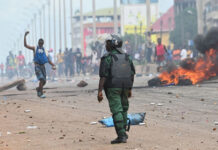
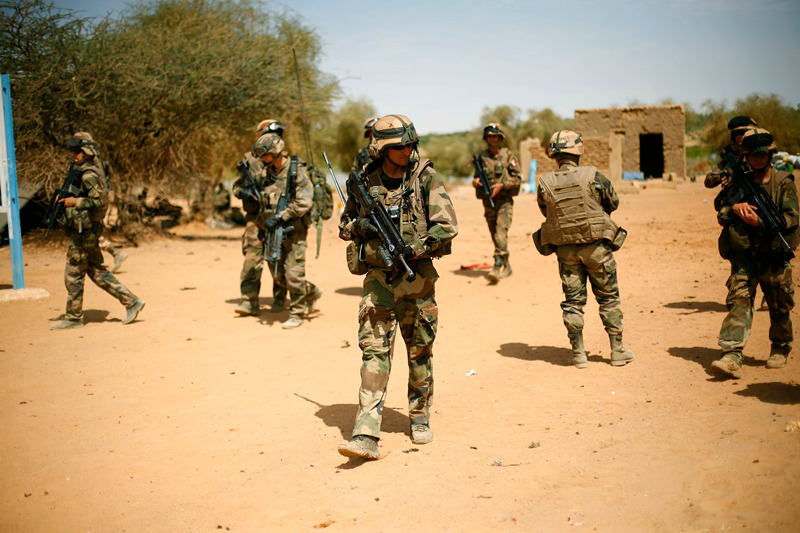
Africa has seen similar patterns. French interventions in Mali and Burkina Faso, justified as counterterrorism, often deepened instability and fueled resentment. Western aid conditionality, tying development assistance to democratic reforms, has sometimes empowered elites while weakening local ownership. The result is a paradox: interventions meant to foster democracy often erode trust in governance and entrench authoritarianism.
Historical Parallels
The tension between sovereignty and intervention is not new. During the Cold War, African states were battlegrounds for ideological rivalry, with external powers backing coups, insurgencies, and proxy wars. In the post-Cold War era, democracy promotion became the new justification. Yet the outcomes were often similar: fragile institutions, contested legitimacy, and cycles of instability.
Venezuela’s trajectory illustrates how external pressure can interact with internal decay. Under Hugo Chávez and Nicolás Maduro, democratic institutions were hollowed out through “autocratic legalism”, using legal frameworks to dismantle checks and balances. External sanctions compounded the crisis, creating fertile ground for intervention. The lesson for Africa is clear: weak institutions invite external manipulation, and interventions rarely restore democracy.
The Role of Think Tanks and Civil Society
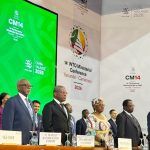
In this landscape, think tanks and civil society organizations (CSOs) play pivotal roles. They frame narratives, influence policy, and shape public debate. Yet their independence is often compromised. External funding can align them with foreign agendas, while domestic elites may use them to legitimize authoritarian practices.
The challenge is to reclaim agency. African think tanks and CSOs must resist becoming conduits for external interests and instead champion African-led solutions. They can bridge research and policymaking, enhance public awareness, and build solidarity networks across regions. The rise of platforms like the T20 and BRICS Academic Forums shows the potential of collective intelligence to shape global norms.
Africa’s Geopolitical Stakes
The U.S. raid on Caracas reverberates far beyond Latin America. It signals that sovereignty is fragile when legality bends to power. For Africa, where resource wealth and governance challenges mirror Venezuela’s, the risk is acute. External actors may justify interventions under the guise of democracy, counterterrorism, or resource security.
African states must therefore diversify partnerships, reduce dependency on single external actors, and strengthen regional mechanisms. The African Union and regional bodies like ECOWAS must articulate coherent positions on sovereignty and democracy, resisting the normalization of unilateral interventions.
Conclusion
The Venezuelan crisis is both a cautionary tale and a mirror. It shows how external interventions, even when framed as democracy promotion, can undermine sovereignty and destabilize governance. For Africa, the lesson is urgent: democracy cannot be outsourced. It must be built from within, through legitimate institutions, inclusive dialogue, and regional solidarity.
External actors will continue to intervene, but their influence need not be decisive. By reclaiming agency, strengthening civil society, and insisting on legality, Africa can ensure that democracy is not hollowed out by foreign agendas. The choice is stark: either shape the narrative, or be shaped by it.

Dr. Pippie Hugues
Dr. Pippie Hugues is a Policy Analyst at the Governance and Democracy Division of the Nkafu Policy Institute. He holds a Ph.D. in International Law with specialty in Human Rights, Conflict and Peace building.