
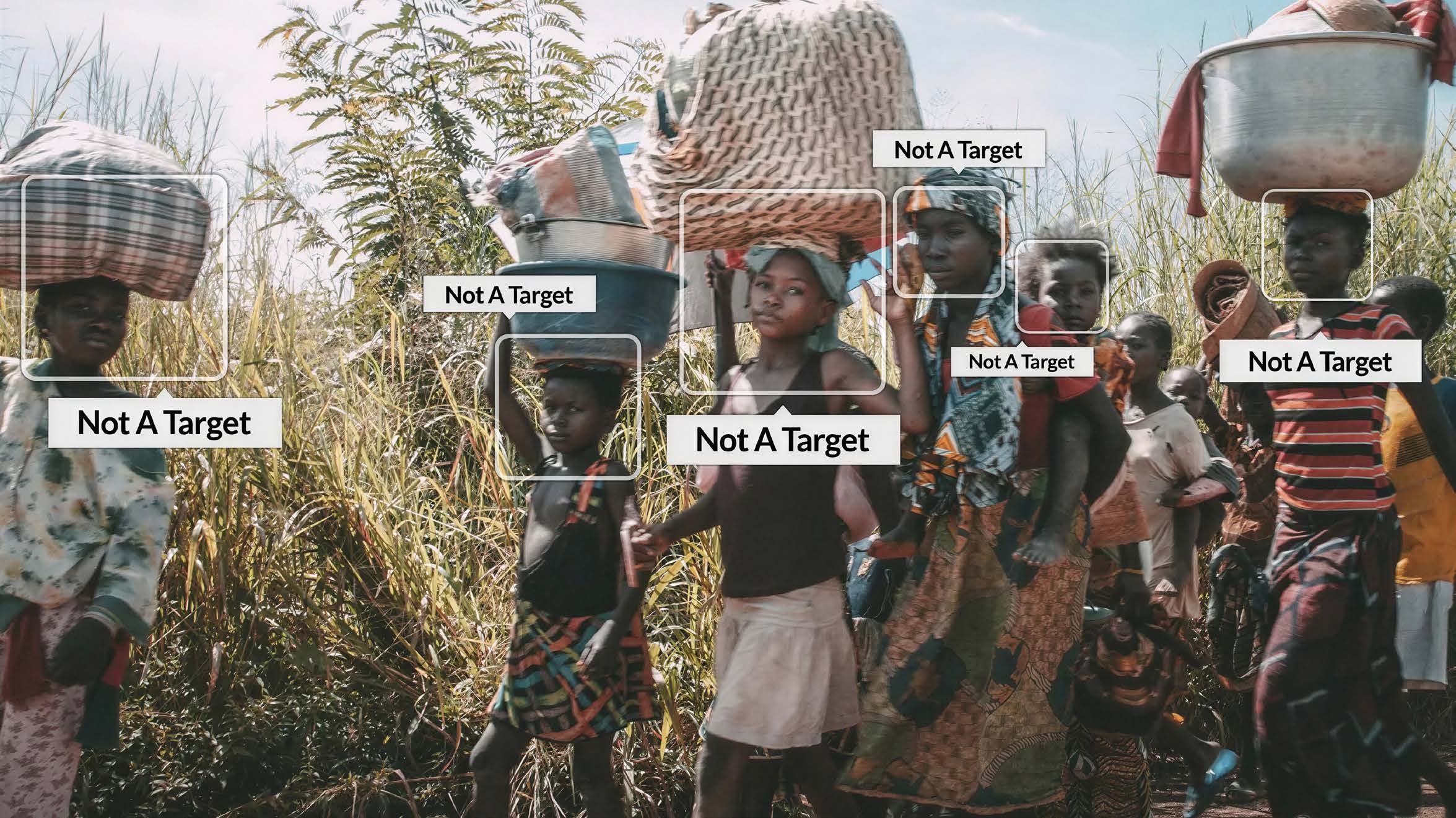
Optimizing artificial intelligence for conflict prevention in Africa requires a dual focus on multilateral cooperation and localized innovation, enabling context-sensitive early warning systems while fostering coordinated, cross-border responses to emerging security threats.
Artificial intelligence (AI) is rapidly emerging as a transformative tool for early warning and conflict prevention, particularly through tools such as early warning systems and predictive analytics that enhance the ability to anticipate and respond to conflict risks, thereby offering unprecedented capabilities for real-time monitoring of instability. Former U.S. President Joe Biden, in a statement, further described this emerging trend as an “enormous potential and enormous danger”. This growing relevance comes at a time when many parts of Africa continue to experience rising levels of conflict and fragility, underscoring the urgent need for more effective prevention mechanisms. While AI technologies are advancing rapidly at the global level, African countries remain largely consumers rather than creators of these systems, with limited ownership and adaptation to local contexts. A significant gap persists between globally developed AI tools and the complex socio-political realities of African contexts, often limiting their effectiveness and relevance on the ground. At the same time, many African countries face significant gaps in data infrastructure and technical capacity, reducing their ability to develop, adapt, and effectively deploy AI systems. These limitations increase the risk of algorithmic bias, misinterpretation of conflict dynamics, and ultimately ineffective or even counterproductive predictions, undermining the potential of AI as a reliable tool for peacebuilding. Bridging this divide requires strengthened multilateral cooperation that brings together governments, international organizations, research institutions, and technology actors to co-develop solutions that are both inclusive and context-sensitive. Central to this effort is the advancement of locally grounded AI systems built on African data, knowledge, and expertise to enhance accuracy, legitimacy, and impact. This article therefore calls for coordinated global and regional action, increased investment in localized innovation, strengthened data ecosystems, and the establishment of ethical and governance frameworks to ensure AI effectively contributes to sustainable peace and conflict prevention.
Artificial Intelligence and Conflict Prevention: Opportunities for Africa
Artificial intelligence (AI) offers significant opportunities for strengthening Africa’s continental early warning systems (CEWS) by enhancing conflict prevention through advanced risk mapping and predictive analytics tailored to existing CEWS and Regional Economic Communities (RECs). Integrated into these mechanisms, AI can support the identification of potential threats across multiple countries before they escalate into full-scale crises, improving the timeliness and precision of alerts as highlighted in the SIPRI Policy Report on Artificial Intelligence for Climate Security. By enabling real-time monitoring of conflict indicators such as population displacement, political instability, and social tensions AI-driven systems can generate actionable insights on emerging patterns of insecurity across the continent. Within frameworks such as the African Union Peace and Security architecture, these capabilities can significantly strengthen situational awareness, enabling more informed, coordinated, and proactive decision-making by governments and regional bodies. Ultimately, the integration of AI into Africa’s early warning systems can enhance the effectiveness of prevention strategies and support more timely, strategic, and harmonized peace and security responses across regions.
Challenges of Relying on Imported AI Models
The effectiveness of artificial intelligence (AI) in conflict prevention is often undermined by cultural and socio-political blind spots embedded in many existing models, which fail to fully capture the complexity of African contexts. These limitations are further exacerbated by significant data gaps and the poor representation of local realities, leading to incomplete analyses. As a result, there is a heightened risk that such systems may reinforce existing biases, misinterpret conflict dynamics, and ultimately contribute to inaccurate or misleading diagnoses of emerging crises.
The Case for Localized AI Innovation
Advancing the effectiveness of artificial intelligence (AI) for conflict prevention in Africa requires the deliberate development of African-owned datasets and locally trained models that accurately reflect the continent’s diverse realities. Integrating local knowledge systems, cultural contexts, and indigenous languages into AI design further enhances the relevance and precision of these tools. Together, these efforts contribute to strengthening the legitimacy, acceptance, and trust in AI-driven interventions among communities and policymakers, thereby improving their overall impact in peace and security efforts.
Role of Multilateral Cooperation
Effective optimization of artificial intelligence (AI) for conflict prevention in Africa requires robust coordination through regional and continental platforms such as the African Union, UN, EU etc. which can provide strategic leadership and policy coherence. This should be complemented by strengthened partnerships with global technology actors and leading research institutions to leverage expertise, innovation, and technical capacity. In addition, structured knowledge-sharing frameworks and joint funding mechanisms are essential to support collaborative research, scale successful initiatives, and ensure sustainable investment in AI-driven peace and security solutions across the continent.
Conclusion
The successful deployment of artificial intelligence (AI) for conflict prevention in Africa depends on a well-coordinated and inclusive institutional ecosystem that brings together key stakeholders at multiple levels. Governments play a central role in establishing robust policy frameworks and ensuring effective regulatory oversight, while universities and research centers drive innovation, knowledge production, and capacity building to strengthen local expertise. Regional bodies are essential for fostering coordination and operationalizing early warning systems that transcend national boundaries, and civil society organizations contribute by promoting accountability, inclusivity, and community-level engagement in AI-driven interventions. Collectively, this multi-actor framework underscores the transformative potential of AI in enhancing conflict prevention across the continent. However, its effectiveness is contingent upon strong cooperation among stakeholders and the deliberate contextualization of technologies to reflect Africa’s diverse realities. Ultimately, there is a pressing need to move beyond dependency on externally developed systems toward African ownership, leadership, and innovation in AI, ensuring that the continent not only adopts but actively shapes the future of AI in global peace and security governance.
Policy Recommendations
To effectively optimize artificial intelligence (AI) for conflict prevention in Africa, it is recommended that stakeholders:
Prioritize the development of an African-led AI strategy under the auspices of the African Union, ensuring continental coherence, local ownership, and strategic direction. This should be supported by substantial investment in localized data ecosystems and the development of African-trained AI models that accurately reflect the continent’s diverse socio-political realities.
In parallel, the establishment of regional AI hubs dedicated to peace and security innovation would strengthen collaboration, knowledge exchange, and applied research, while reinforced multilateral partnerships between African institutions and global technology and research actors would enhance technical expertise and resource mobilization.
Capacity building efforts should also focus on strengthening technical skills and AI literacy across public institutions to ensure effective adoption and governance of emerging technologies. Importantly, all deployments must be guided by strong ethical standards and safeguards to mitigate risks related to bias, misuse, and unintended consequences.
However, successful implementation will require addressing key constraints, including limited financing and the need for sustainable resource mobilization, concerns over data governance and digital sovereignty, challenges related to political will and cross-border coordination, and the establishment of robust monitoring, evaluation, and adaptive learning systems to ensure continuous improvement and accountability in AI-driven peace and security initiatives.

Antem Anthony
Antem Anthony is the Head of Conflict Analysis and Prevention unit & Policy Analyst in peace & security at the Foretia Foundation. Prior to joining the Foundation, he served as conflict, policy and security assistant at the International Crisis Group, Kenya. Anthony is a certified administrative and operations professional from the United Nations University for Peace and the Pan African Institute for Development, West Africa (PAID-WA)