By Dr. Julienne Stéphanie Mesumbe
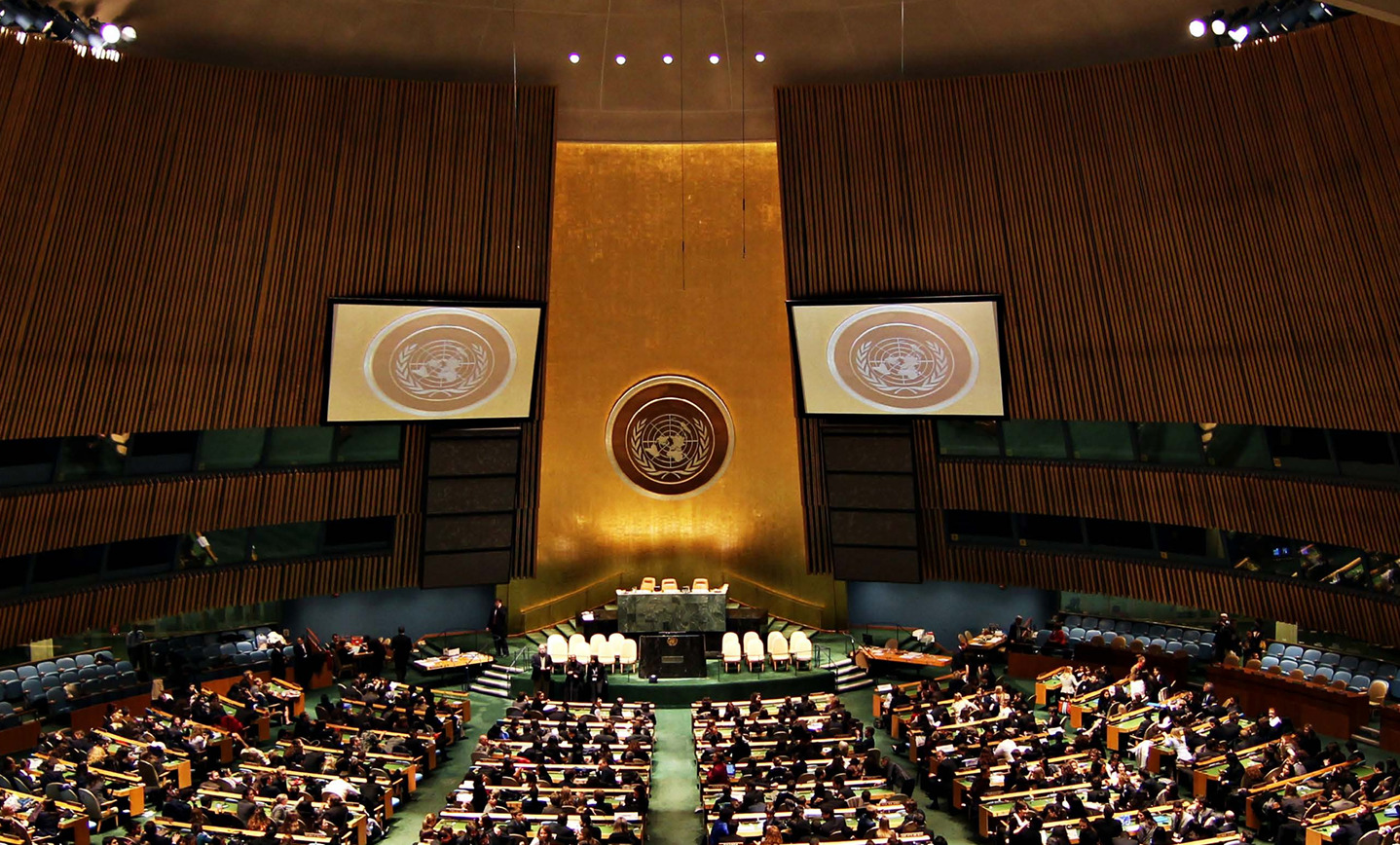
The United Nations is at a critical moment in its history. Almost eighty years after its creation, the global context in which it operates has changed significantly. Power is no longer concentrated in a few countries. Geopolitical tensions are increasing. Trust in multilateral institutions is declining. At the same time, demands for greater inclusion, representation, and fairness are becoming stronger.
This issue of On Policy Magazine looks at this moment of transition. It asks a simple but important question: can the United Nations adapt to today’s realities, or will it continue to reflect a world that no longer exists?
Across the contributions, a clear message emerges. The current global system is facing pressure from different directions. On one side, major powers are increasingly acting based on national interests, often outside multilateral frameworks. On the other, developing regions, especially Africa, are calling for a stronger voice in global decision-making. These tensions are shaping what we now describe as global fragmentation.
One of the most visible areas where this tension appears is in the question of representation. Africa makes up more than a quarter of UN member states and continues to play a major role in peacekeeping and global diplomacy. Yet, it remains underrepresented in key institutions such as the Security Council. This issue therefore highlights the urgency of reforming global governance structures so that they better reflect current realities.
At the same time, the upcoming selection of a new UN Secretary-General presents an important opportunity. Leadership matters. It shapes priorities, builds consensus, and influences how institutions respond to global challenges. This transition comes at a time when the UN is expected not only to manage crises but also to rebuild trust in multilateral cooperation.
Another important dimension discussed in this issue is gender. Despite its global mandate on equality, the UN has never had a female Secretary-General. This raises important questions about credibility and inclusiveness. Promoting gender-balanced leadership is not only a symbolic issue. It is also about strengthening decision-making and ensuring that global institutions reflect the diversity of the societies they serve.
Beyond peace and security, the issue also looks at the economic consequences of global fragmentation, especially for Africa. Declining development finance, changing labour markets, and shifting global partnerships are redefining how countries engage with the international system. For Africa, these changes come with both risks and opportunities. While the continent remains vulnerable to external shocks, it also has the potential to play a more active role in shaping the rules that govern global trade, labour, and development.
What becomes clear across all these discussions is that Africa can no longer remain a passive participant in global governance. Its demographic weight, economic potential, and regional integration efforts give it a stronger position than before. However, turning this position into real influence requires coordination, strategic engagement, and a clear vision.
The future of the United Nations will depend on its ability to respond to these realities. Institutions that fail to adapt risk losing relevance. Those that embrace reform, inclusion, and shared responsibility will remain central to global cooperation.
At On Policy Magazine, our aim is to contribute to this conversation by bringing together diverse perspectives that are grounded in policy and focused on action. This issue highlights the choices facing the international system and, more importantly, the role that Africa can play in shaping its future.
The UN is at a crossroads. The direction it takes will depend not only on global powers, but also on how actively other regions engage in shaping the system. For Africa, this is a moment to move from participation to influence, and from voice to action.
This issue is released ahead of ongoing global discussions on the selection of the next UN Secretary-General.