

Analysing the Socioeconomic Consequences of the Anglophone Conflict in Cameroon
Introduction
Several internal and external measures have been taken since the outbreak of the Anglophone Crisis in 2016 to address burning issues. However, such efforts,...

Energy Efficiency for Sustainable Development in Africa: Challenges and Opportunities
Introduction
Globally, about 940 million people lack access to electricity, accounting for about 13% of the world’s population. Most of these people reside in...

The Effect of the New Global Financing Aid on Climate Variability Adaptation in Sub-Saharan...
Introduction
From the 22nd to the 23rd day of June 2023 in Paris, the Summit for a New Global Financing Pact was held under the theme: Building...

Visa Digitalization and Tourism in Cameroon: A Promising Future?
Introduction
Cameroon is endowed with a culture rich in natural reserves and breathtaking landscapes, making it a popular destination for tourists from all over...
Focus on Public-Private Partnerships in Cameroon
Introduction
To reap the full benefits of the African Continental Free Trade Area (AfCFTA), Cameroon must strengthen its industrial system. This implies not only strengthening...

The Socio-Economic Implications of Visa Digitalization in Cameroon
Introduction
By Decree No. 2023/147 of March 2, 2023 (1), the President of the Republic of Cameroon promulgated the law to lay down the modalities...
The Urgent Need to Improve the Business Climate in Cameroon
Introduction
In defining its new National Development Strategy 2020-2030 (NDS30), the Cameroonian government set its ambition of achieving double-digit economic growth by 2030. To achieve...

Evaluating the Diaspora as the Primer For Economic Development In Cameroon
Introduction
Around the world, societies are changing, and individuals are equally migrating. According to the (I), these individuals who are living outside of their...
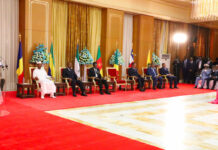
PREF-CEMAC: The Urgent Need to Focus on Economic Convergence and Catch-up
During the 15th Ordinary Session of the Conference of Heads of State of the Central African Economic and Monetary Community (CEMAC), held on March...
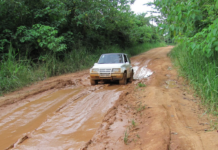
Cameroon: Promoting Rural Development to Reduce Gender Inequalities
In Cameroon, the prevalence of poverty remains higher in rural areas (66%) than in urban areas (7%) (BUCREP, 2021). Women represent the poorest portion...
Latest article
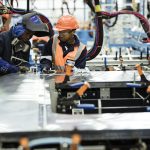
No Factories, No Trade: CEMAC Faces the Challenge of Structural Transformation
Highlights
No CEMAC member State accounts for more than 10% of exports to the continent.
The free movement of people, planned since 1999, has...

Burkina Faso’s New Study Abroad Decree: When Education Becomes a Political Privilege
By Enowbachem Agbortanyi
A Policy Framed as National Development
Burkina Faso's latest decree requiring every student wishing to study abroad to obtain government authorization marks more...
From the WTO MC14 to Action: Building Africa’s Productive Capacity through Trade, Digitalisation and...
Africa cannot rely on trade liberalization alone to achieve economic transformation; instead, it must pair AfCFTA integration with deliberate industrial, agricultural, and digital capacity-building...
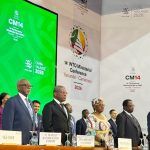
Leveraging WTO MC14 Investment Facilitation for Development to Accelerate Structural Transformation in Cameroon
Investment inflows will generate the expected level of development impact in Cameroon if the country addresses persistent challenges like regulatory inefficiencies, institutional fragmentation, and...

Rethinking Commercial Leadership in Central Africa: Addressing the Challenges of Informality, Inequality, and Digital...
Informality, inequality, weak digital infrastructure, and limited productive financing continue to marginalize ECCAS economies, while calling for coordinated reforms to achieve inclusive and transformative...
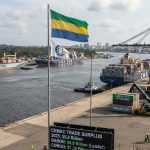
From Market Expansion to Value Addition: Repositioning CEMAC’s Trade Strategy for Structural Transformation
Repositioning CEMAC’s trade strategy requires a decisive shift from commodity-based market participation toward value-driven production systems, where trade, industrial policy, and regional integration are...