By – Anthony Antem
Addressing corruption as a security risk can help build more legitimate, resilient and peaceful states. This article argues that corruption prevention should therefore be treated as a core conflict-prevention and peacebuilding priority. Governments should strengthen accountability in high-risk sectors, improve security-sector and public financial management, and leverage digital governance to enhance transparency and citizen oversight.
Introduction: Corruption as a Security Threat
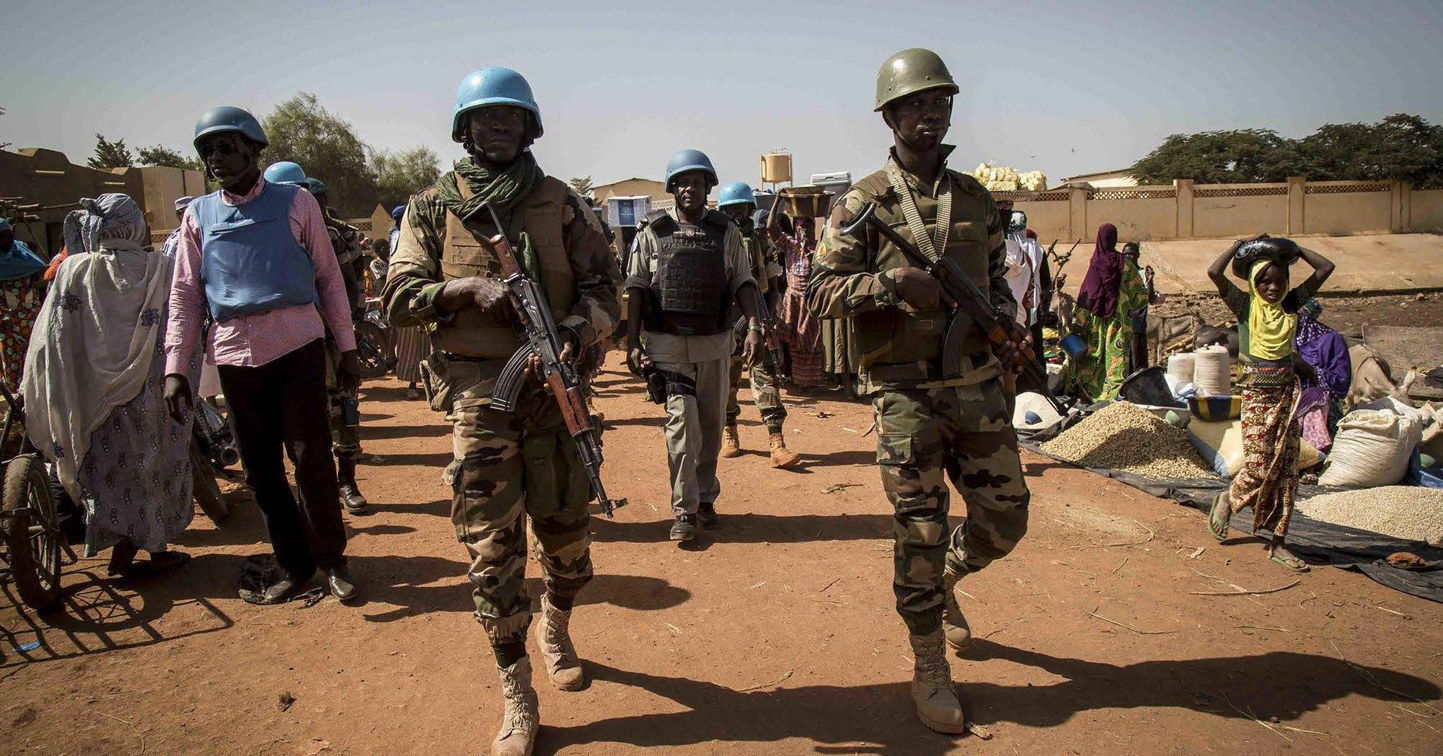
Corruption is increasingly recognized not simply as a governance and development challenge but as a significant driver of insecurity and political instability. Across Africa, the diversion of public resources, manipulation of political institutions, corruption within security agencies and collusion between political elites and criminal networks can weaken state capacity and create conditions conducive to conflict, organized crime and violent extremism. The security consequences of corruption are particularly pronounced in fragile and conflict settings. When public resources are diverted, governments struggle to provide essential services and security. When defence and security procurement is compromised, state forces may lack the resources and capabilities necessary to protect communities. When border, customs and judicial institutions are corrupted, criminal networks gain space to operate. And when citizens perceive public institutions as instruments of elite enrichment rather than providers of public goods, trust in the state deteriorates. Corruption therefore operates through multiple pathways: it weakens state capacity, fuels grievances, enables illicit economies, compromises security institutions and erodes state legitimacy. These dynamics can reinforce one another, creating a cycle in which weak institutions facilitate corruption, corruption deepens insecurity, and insecurity further weakens state authority. This policy brief examines the corruption – security nexus in Africa, focusing on how corruption contributes to conflict, insecurity, organized crime and declining state legitimacy. It argues that combating corruption should be treated as an integral component of conflict prevention and peacebuilding. Digital governance, transparent public financial management, accountable security institutions and stronger oversight mechanisms can help disrupt the pathways through which corruption generates insecurity.
How Corruption Fuels Conflict and Security
Corruption is far more than an administrative or economic inefficiency it is a structural driver of political instability, insecurity, and violent conflict across Africa. When public resources intended for healthcare, education, infrastructure, and social protection are diverted through embezzlement, procurement fraud, or patronage networks, governments become less capable of meeting citizens’ basic needs. This governance deficit widens socio-economic inequalities, deepens public frustration, and erodes confidence in state institutions. As trust in government declines, citizens become more susceptible to political mobilization, violent protest, and support for non-state actors who exploit governance failures to gain legitimacy.
Across the continent, numerous examples illustrate this dangerous nexus between corruption and insecurity. In Nigeria, persistent corruption within the defence sector has repeatedly undermined the country’s capacity to combat the Boko Haram insurgency. Investigations into the “Dasukigate” scandal revealed that billions of dollars earmarked for military procurement were allegedly diverted through fraudulent contracts and political patronage instead of being used to equip frontline troops. The resulting shortages of equipment, poor troop welfare, and diminished operational readiness weakened counterinsurgency efforts and prolonged insecurity in the country’s northeast. The scandal highlighted how corruption within security institutions can directly compromise national security and embolden violent extremist groups.
Similarly, in the Democratic Republic of the Congo (DRC), decades of corruption in the management of the country’s vast mineral wealth have fueled armed conflict and entrenched criminal economies. Weak oversight of mining revenues, illicit exploitation of natural resources, and collusion between political elites, armed groups, and business interests have enabled conflict actors to finance violence while depriving communities of the benefits of resource wealth. Rather than serving as an engine for development, mineral resources have often become a source of competition, displacement, and insecurity, illustrating how governance failures can transform economic assets into drivers of conflict.
Corruption also contributes to political exclusion and electoral instability. In countries where access to public office is perceived as a gateway to personal enrichment, elections become high-stakes contests in which political actors are incentivized to manipulate electoral processes, suppress opposition, or mobilize identity-based divisions. Episodes of election violence in countries such as Kenya have demonstrated how public perceptions of unequal access to state resources, coupled with longstanding grievances over corruption and patronage, can intensify political tensions and trigger communal violence. Although electoral disputes are often driven by multiple factors, corruption frequently reinforces perceptions that political institutions serve elite interests rather than the public good.
Weak oversight further creates fertile ground for organized crime, illicit financial flows, and transnational insecurity. Across the Sahel, corruption at border crossings and within customs, police, and judicial institutions has facilitated the trafficking of arms, drugs, fuel, and human beings, strengthening criminal networks that often maintain operational links with violent extremist organizations. These illicit economies undermine state authority, reduce public revenues, and create parallel systems of governance that challenge the legitimacy of formal institutions.
Digital Governance and Transparency: Rebuilding Trust and Strengthening Peace
Digital governance is increasingly emerging as one of Africa’s most promising tools for disrupting the corruption–conflict nexus. By replacing opaque, paper-based administrative processes with transparent, automated, and traceable digital systems, governments can significantly reduce opportunities for bribery, procurement fraud, revenue leakage, and political patronage. More importantly, digital reforms help restore the credibility of public institutions by making government decisions and financial transactions more visible, predictable, and accountable. This renewed transparency strengthens the social contract between citizens and the state, reducing the grievances that often fuel political instability and violent conflict.
Several African countries demonstrate how digital governance can improve accountability and reinforce state legitimacy. Rwanda has positioned itself as a continental leader through the digitization of public services via the Irembo e-government platform, enabling citizens to access hundreds of government services online with reduced bureaucratic discretion and fewer opportunities for petty corruption. Combined with robust performance management and institutional oversight, these reforms have improved service delivery and enhanced public confidence in government institutions. Likewise, Kenya’s eCitizen platform has digitized services ranging from business registration to passport applications and driving licences, reducing face-to-face interactions that have historically created opportunities for informal payments while increasing administrative efficiency and transparency.
Public financial management reforms also illustrate the peace dividends of digital transparency. Nigeria’s Treasury Single Account (TSA) consolidated thousands of government bank accounts into a unified electronic system, improving oversight of public finances, reducing leakages, and strengthening fiscal accountability. Although governance challenges remain, the reform has significantly enhanced the government’s ability to monitor public revenues and expenditures. Similarly, Ghana’s Ghana.gov platform and integrated digital payment systems have streamlined revenue collection, reduced cash-based transactions, and increased transparency in the delivery of public services, limiting opportunities for rent-seeking while improving citizen access to government.
Digital technologies are also transforming public procurement, one of the sectors most vulnerable to corruption. Ukraine’s ProZorro system while outside Africa, has become a global benchmark for transparent electronic procurement, inspiring reforms across several African countries. Building on similar principles, countries such as Zambia, Rwanda, and South Africa have expanded electronic procurement platforms to publish tenders, standardize bidding procedures, and create digital audit trails that make procurement decisions easier to scrutinize. Such systems reduce discretionary decision-making, promote fair competition, and help ensure that public resources including those allocated to the security sector are spent more effectively and transparently.
Beyond improving efficiency, digital governance can contribute directly to peace and conflict prevention. Open budget portals, digital expenditure tracking, geospatial monitoring of public projects, and online citizen feedback mechanisms enable communities to monitor government performance and report irregularities in real time. This increased civic oversight strengthens accountability while reducing perceptions of exclusion and injustice that often drive social unrest. Like in the case of Cameroon’s civil-society-led initiative, Vote Cam, digital technologies also support electoral transparency through biometric voter registration, electronic transmission of results, and digital observation tools, helping to reduce opportunities for electoral fraud and reinforcing public confidence in democratic processes. Although technology alone cannot eliminate electoral disputes, credible and transparent digital systems can help reduce the mistrust that frequently triggers post-election violence.
Nevertheless, digital governance is not a panacea. Technology cannot compensate for weak institutions, limited political will, or compromised oversight bodies. Digital systems remain vulnerable to cyberattacks, manipulation, algorithmic bias, and political interference, while unequal internet access and low digital literacy risk excluding already marginalized populations. Sustainable reforms therefore require complementary investments in independent anti-corruption agencies, data protection frameworks, cybersecurity, judicial independence, and civic participation.
Policy Recommendations: Leveraging Digital Governance for Peace and Stability
To maximize the peace and security dividends of digital governance, African governments and their partners should adopt a holistic approach that combines technological innovation with institutional reform, political accountability, and citizen participation. The following policy priorities are therefore critical.
- Treat corruption prevention as a conflict-prevention priority: National peace and security strategies should explicitly recognize corruption as a structural driver of conflict, insecurity and violent extremism and incorporate corruption-risk assessments into conflict-prevention and early-warning frameworks.
- Strengthen governance and oversight institutions. Digital reforms must be supported by independent anti-corruption agencies, supreme audit institutions, parliamentary oversight committees, and impartial judicial systems capable of investigating and prosecuting corruption. Technology can improve transparency, but only credible institutions can ensure accountability and enforce sanctions against abuse.
- Promote open government and citizen participation. Governments should invest in open data portals, digital feedback platforms, and civic technology initiatives that enable citizens, journalists, and civil society organizations to monitor public spending and report corruption. Protecting civic space and whistleblowers is equally important to ensure that digital transparency translates into meaningful public accountability.
- Enhance integrity within the security sector. Defence and security institutions should adopt digital procurement systems, electronic payroll management, and transparent asset-tracking mechanisms to reduce fraud and improve oversight of security expenditures. Stronger accountability within the security sector will enhance operational effectiveness while rebuilding public confidence in institutions responsible for maintaining peace and order.
- Invest in secure and inclusive digital infrastructure. Expanding affordable internet access, digital literacy, and digital identity systems is essential to ensure that the benefits of digital governance reach marginalized communities. At the same time, governments must strengthen cybersecurity frameworks and data protection laws to safeguard public trust and protect sensitive government information from cyber threats.
- Strengthen regional cooperation and knowledge sharing. The African Union, Regional Economic Communities (RECs), and national governments should collaborate to harmonize digital governance standards, share best practices, and combat cross-border corruption, cybercrime, and illicit financial flows. Implementing the African Union’s Digital Transformation Strategy (2020–2030) alongside the African Union Convention on Preventing and Combating Corruption would provide a coherent continental framework for promoting accountable governance and resilient institutions.
Corruption is not merely a governance challenge but a critical peace and security concern. By weakening state institutions, enabling organized crime, fuelling grievances and undermining public trust, corruption can contribute to conflict, insecurity and violent extremism. Addressing this nexus requires governments to integrate corruption prevention into conflict-prevention and security strategies, strengthen institutional accountability, and use digital transparency tools alongside effective oversight and enforcement. Tackling corruption is essential to building legitimate, resilient states capable of preventing conflict, protecting citizens and sustaining peace.

Antem Anthony
Antem Anthony is the Head of Conflict Analysis and Prevention unit & Policy Analyst in peace & security at the Foretia Foundation. Prior to joining the Foundation, he served as conflict, policy and security assistant at the International Crisis Group, Kenya. Anthony is a certified administrative and operations professional from the United Nations University for Peace and the Pan African Institute for Development, West Africa (PAID-WA)