Introduction
A historical covenant and a significant identity among the African people are their affiliation to various tribes or ethnicity. A typical African would most definitely prefer to be identified based on a particular tribe or ethnic group from whence their ancestors originated. The history of tribal affiliations and ethnicity in Africa dates far back to precolonial era (1).
One advantage of being affiliated to a tribe or ethnic group is the fact that it helps to preserve and sustain family bonds, identities and cultural practices which are only unique to the African people. However, intrastate cohesion of tribes and ethnic groups has been a far-fetched societal practice as social cohabitation in Africa has been a re-occurring challenge in states which host multitude of tribes. In some countries like Nigeria which is host to over 250 tribes (2), inter-ethnic clashes have even gone as far as affecting political and electoral outcomes.
Without laying aside the Rwandan genocide of 1994 which was notoriously triggered by inter-ethnic clashes (3), states such as Kenya which is home to a multitude of ethnic groups (4) and Cameroon which hosts over 250 ethnic groups (5) have been forced to deal with repeated cases of inter-ethnic clashes as we examine the case of Cameroon.
This article will further examine reasons why inter-ethnic clashes are recurrent in Cameroon (I), how inter-ethnic clashes exacerbate violent conflicts in Cameroon (II) and map out strategies to mitigate inter-ethnic clashes as baseline for strategic peace building (III).
Contextual Background
According to World Atlas, Cameroon is host to over 250 ethnic groups, represented across ten distinctive regions. These ethnic groups draw their historical origins from the 19th century (6). It is expected of a Cameroonian to be affiliated to at least one tribe. However, migration of people across different geographical locations led to families being displaced and consequent reconstruction of new ties with persons of different tribal origin.
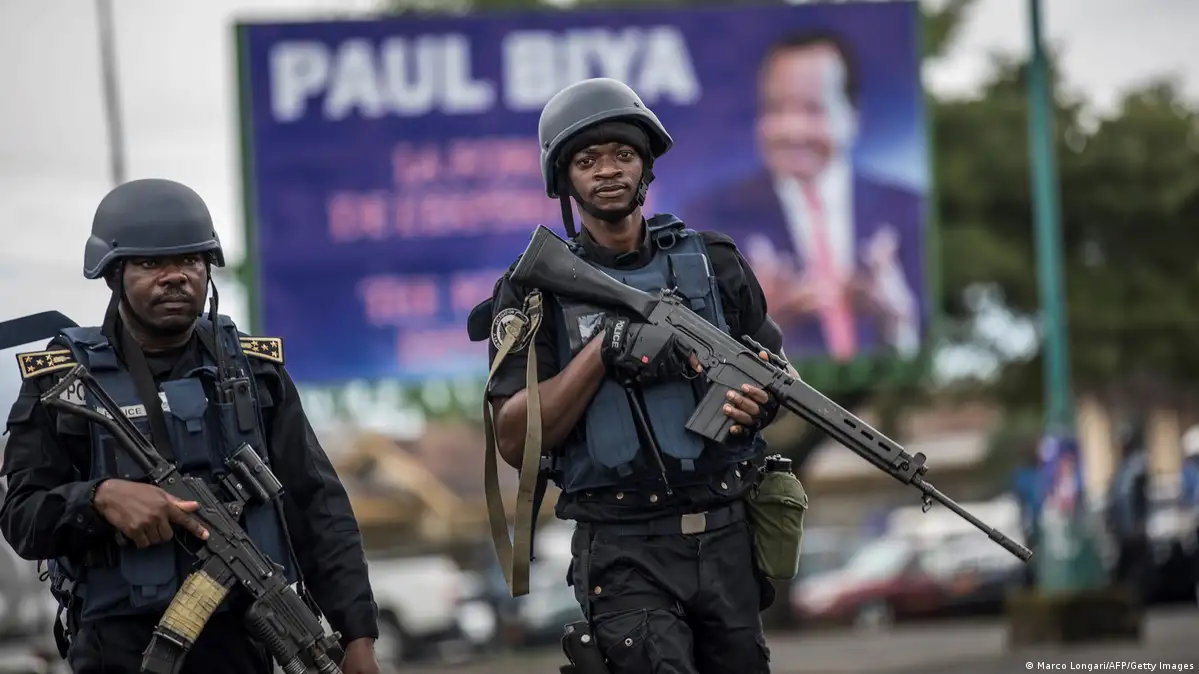
Since independence, Cameroon has been confronted to significant obstacles to its national unity. One of these major obstacles resides in inter-ethnic clashes across the national territory. The situation is highly critical as these clashes are deeply rooted in the least unit of the society to the highest political office.
1. What Factors Account for the Reoccurrence of Inter-Ethnic Clashes in Cameroon?
Reasons for the reoccurrence of inter-ethnic clashes may vary from one community to the other but in Cameroon at large, some noticeable triggers of inter-ethnic clashes are:
- Elite manipulation through abusive control of power
- Wealth and influence over local communities
- Centralization of political power
- Attribution of sensitive political offices to specific tribes
- Lack of sufficient economic and employment opportunities
- Deeply rooted cultural practices
- Discrimination and favoritism of some tribes over others
- Language disparities as witnessed by persons of English-speaking origin in Cameroon (7).
The fight over strategic natural resources such as land and rivers, as witnessed in cases such as the land dispute between the Mbessa and Oku villages in the North West Region of Cameroon (8), the land dispute between the Shuwa-Arabs and Musgoum communities in Birni (9), the land dispute between the Oliti and Messaga Ekol ethnic groups in Akwaya (10), and most recently, the inter-ethnic clash between the Bulus and Bamouns in Sangmelima (11) reportedly caused by inter-personal disputes among business men.
2. How do Inter-Ethnic Clashes Further Trigger Violent Conflict and Hinder Peace in Cameroon?
One of the evident manifestations of inter-ethnic conflicts lies in hate-speech and online violence generally expressed in local communities and social media. When tribal groups confront one another, it spreads a wave of targeted attacks toward both tribes.
In the advent of inter-ethnic clashes in Cameroon, derogatory local expressions such as “Anglo, Anglofou, Bamenda, francofou” are frequently used to refer to persons of English and/or French speaking origin. These have triggered a series of stigmatization on people as hate speech has significantly increased across time and space.
One of the battlegrounds where this is commonly seen is via social media where persons with ghost accounts spread waves of misleading information about tribes thereby inviting online violence. In most cases, restrictions on the use of minority languages or marginalization of minority groups further trigger violent confrontations from civilians as per the case with English speaking persons in Cameroon (12).
Also, it has been observed that inter-ethnic clashes equally facilitate the proliferation of local weapons across communities, which consequently end up in the hands of civilians (13). With poorly implemented arms regulations within the country, shortage of personnel to effectively monitor the flow of arms within the country, cases of violent confrontations, theft and extortion have been reported in several localities.
Furthermore, most armed confrontations in local communities have been aggravated by the illegal ownership and misuse of arms. These only contribute in building hostile societies, thereby making peace processes fragile within communities.
One of the most grievous ways in which inter-ethnic clashes further trigger conflict in Cameroon is through the scarcity and uneven distribution of resources for some factions within the community. Recognizing the fact that one major cause of conflict in most communities is lack of natural resources, inter-ethnic clashes make scarce basic resources needed for human survival, thereby provoking hostile reactions from poorly catered civilians.
3. What Strategies can be Used to Mitigate Inter-Ethnic Clashes?
Having analyzed factors which trigger the re-occurrence of inter-ethnic conflicts and how they further drive violent conflict in Cameroon, the following proposed strategies could be put in place to mitigate the recurrences of these conflicts.
Firstly, respective communities and administrators across various levels must prioritize the empowerment of traditional rulers to curb the influence of elites over wealth, natural resources and the local administration of grass root communities. In other words, local leaders must have prime of decision making in their communities. For communities void of traditional rulers, an alternative could be the institution of community-based leaders.
With these in place, state administrators need to oversee the implementation of an inclusive managerial approach which clearly shapes and delegates the management of local resources to traditional rulers or community-based leaders. This will in turn create a sense of ownership and enhance accountability of local leaders of their communities.
Furthermore, social cohesion among people and tribes must be consistently enhanced. Even though the burden of responsibility lies in the hands of government authorities, it has become indispensable for local communities to lead on enhancing social cohesion within their respective locations. However, state administrators must not only adopt policies to enhance social cohesion but must rather mirror it from the least unit to the highest political office, for it to be sustainable across societies.
In the same light, they must implore every social strategy to build friendly, cooperative and resilient communities. Persons belonging to minority groups do not have to feel like second class citizens in their communities, but rather, they should be able to migrate from one community to the other without a feeling of rejection, repression, being marginalized or facing hostilities from local inhabitants.
Resources must be evenly distributed across communities from political offices or appointments to infrastructural development and basic needs for human survival. Human security concerns must be prioritized by all stakeholders to ensure communities are well catered for. Capacity development must be associated to economic empowerment opportunities to better equip persons and catalyze economic development.
Conclusion
Inter-ethnic clashes are reputed to have a historical origin. In many African communities for example, they are quite recurrent and set the pace for what usually develops into a full-scale civil unrest. In the context of countries like Cameroon, already bearing the weight of multiple conflicts, inter-ethnic clashes further render complex peace processes thereby fragilizing communities and persons living within.
While the scramble over natural resources and segregation of identities remain some of the underlying causes of inter-tribal clashes, other political, economic and sociocultural factors as listed above have significant influence in aggravating inter-ethnic clashes. Mindful of these therefore, effective build-up of local capacities for traditional rulers and community-based leaders, creating favorable environments for social cohesion and proper management of resources are pathways through which clashes can be mitigated and social cohabitation achieved.

Antem Anthony
Antem Anthony is the Head of Conflict Analysis and Prevention unit & Policy Analyst in peace & security at the Foretia Foundation. Prior to joining the Foundation, he served as conflict, policy and security assistant at the International Crisis Group, Kenya. Anthony is a certified administrative and operations professional from the United Nations University for Peace and the Pan African Institute for Development, West Africa (PAID-WA)