The arrest of Nicolás Maduro and the unraveling of international norms
By Guy Beaudry Jengu Jengu
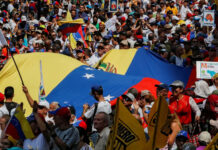
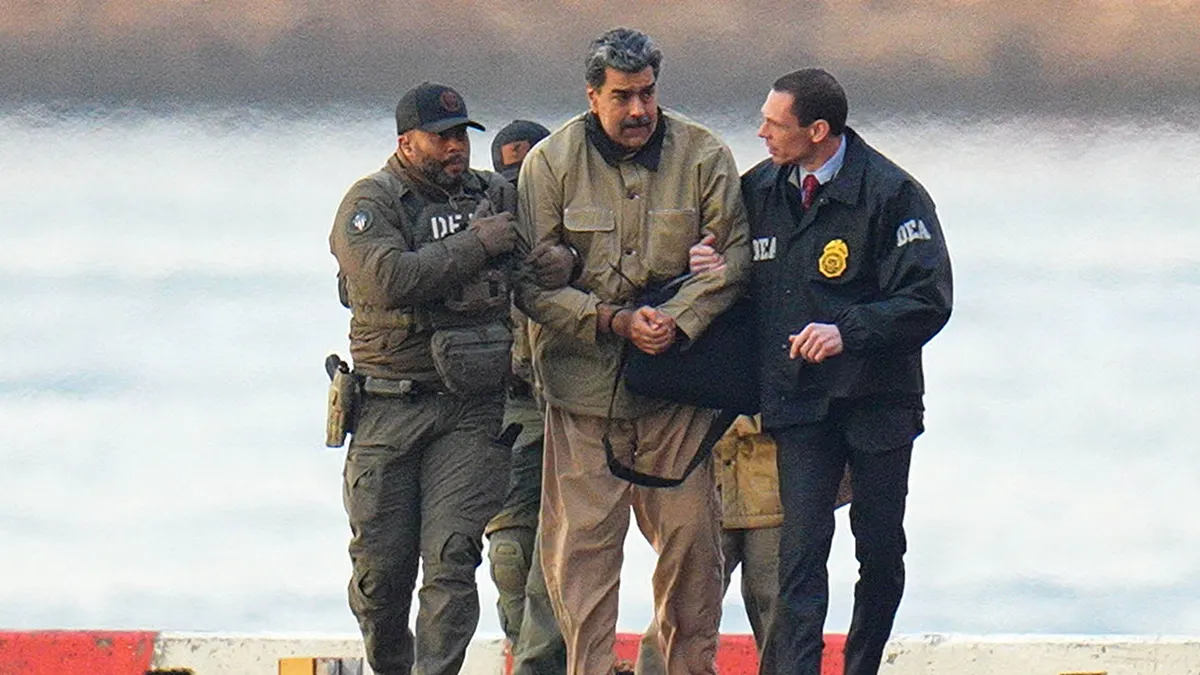
On January 3, 2026, U.S. forces launched a lightning raid on Caracas, capturing Venezuelan President Nicolás Maduro and his wife. The operation, codenamed Absolute Resolve, lasted less than five hours. Yet its reverberations will echo for decades. Conducted without authorization from the United Nations Security Council, it represents a direct challenge to one of the cardinal principles of international law: the prohibition of unilateral force. This action, conducted without authorization from the United Nations Security Council (UNSC), violates the prohibition against the unilateral use of force. Secretary-General António Guterres declared during the emergency UNSC meeting: “Independently of the situation in Venezuela, these developments constitute a dangerous precedent.” This intervention raises fundamental legal and political questions capable of undermining the global architecture of peace and security. How does this violation of international law reconfigure the global geopolitical landscape? This analysis demonstrates how this operation carries the seeds of collapse for legal norms governing the use of force and affects global geopolitics.
Law at the Breaking Point
By bypassing the Security Council, Washington undermined the authority of the UN Charter and eroded the customary immunity granted to sitting heads of state. Arresting a leader in office is unprecedented in modern history. It signals a dangerous precedent: that sovereignty can be suspended when power deems it expedient. As António Guterres warned, “Independently of the situation in Venezuela, these developments constitute a dangerous precedent.” International law has long rested on two pillars: the prohibition of force and the sovereign equality of states. Absolute Resolve shook both. Article 2(4) of the UN Charter obliges members to refrain from the threat or use of force against the territorial integrity or political independence of any state. Operation “Absolute Resolve” constitutes a violation of this principle because the United States acted without UNSC authorization, the sole body empowered to authorize the use of force. The American administration invoked drug trafficking accusations to justify this operation. However, according to Article 103, UN obligations take precedence over all others. Beyond violating the principle of non-unilateral use of force, this operation violates the comitas gentium that establishes head of state immunity. A Head of State benefits from special treatment shielding them from foreign laws and jurisdictional control. This immunity is divided into personal and functional immunity, and guarantees the free exercise of sovereign functions. This practice, rooted in international law custom, materializes the sovereign equality of states and the courtesy necessary for interstate relations.
The precedent is destabilizing. If powerful States can suspend sovereignty at will, others may follow suit. Russia’s invasion of Ukraine, Israel’s strikes in Gaza, and now Washington’s raid in Caracas all point to a world where legality is contingent on power. For purists of international law, this is manifestly illegal. For interventionists, it is justified under doctrines of preventive self-defense or counter-narcotics policing. But the deeper danger lies in the normalization of “law à la carte”, a world where rules are binding only when convenient.
Historical Parallels
The raid on Caracas recalls earlier moments when force trumped law. In 2003, the U.S.-led invasion of Iraq bypassed the Security Council, justified by contested claims of weapons of mass destruction. In 2011, NATO’s intervention in Libya stretched a humanitarian mandate into regime change. In both cases, legality was contested, but power prevailed. Absolute Resolve continues this trajectory, but with a new twist: the direct arrest of a sitting head of state.
Such actions erode the fragile consensus that has sustained the post-1945 order. They invite rival powers to adopt similar tactics, accelerating fragmentation. China and Russia, already skeptical of Western interpretations of law, may feel emboldened to pursue interventions under their own doctrines. The result is a world where coercion replaces cooperation, and multilateral institutions are sidelined.
Geopolitical Shockwaves
The geopolitical consequences are stark. By acting outside the UN framework, the United States weakened the very institutions that smaller states rely upon to balance asymmetries of power. Days later, Washington withdrew from more than thirty UN bodies, further hollowing out the system of collective security.
For Africa, this is not an abstract concern. The UN, despite its paralysis, remains one of the few arenas where African states can assert their interests. Its erosion leaves the continent exposed to unilateral interventions cloaked in the language of counterterrorism or resource security.
Africa’s Stakes
Africa has long been the terrain of external interventions, from Cold War proxy wars to contemporary counterterrorism campaigns. The Caracas raid underscores how fragile sovereignty becomes when legality bends to power. For African leaders, the lesson is urgent: strengthening continental peace mechanisms, investing in preventive diplomacy, and defending international norms appear as strategic imperatives. Without such measures, Africa risks being trapped in a cycle where sovereignty is conditional and security is outsourced.
Conclusion
What Absolute Resolve reveals is not simply the fragility of international law but the shifting balance between force and legitimacy. In a world where might increasingly makes right, sovereignty is only as strong as a nation’s ability to deter or defend. For Africa, the choice is stark: either build institutions, unity, and proactive diplomacy, or risk becoming the next testing ground for unilateral power.

JENGU Guy Beaudry est doctorant à l’Université de Yaoundé II, Soa et chef du département tendances et conjonctures du Centre Africain de Recherche en Sciences Morales et Politiques (CARES-MP). Il est particulièrement intéressé par les questions de sociologie des relations internationales et les études stratégiques.