



Implications of Armed Conflict on Healthcare Interventions in Cameroon
Even though conflict is inevitable, armed conflict is very optional. It is essential to avoid or prevent them because the consequences of armed conflicts...
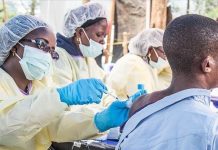
COVID-19 Vaccination: Challenges to a Mass Rollout in Africa
Introduction
The world has recorded over 2.9 million deaths since the outbreak of the pandemic one year ago and has left most parts of the...
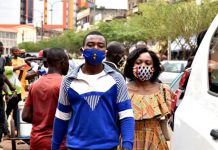
Cloth Face Masks Should be Used in the Community, Not by Health Care Workers...
Wearing face masks are an essential aspect of the fight against the COVID-19 pandemic. Although medical face masks are reportedly in very short supply...

Flattening the COVID-19 Curve in Cameroon: 9 Immediate Action Points for the Government
The widely acclaimed social distancing, in reality physical distancing technique to curb the spread of the virus seems to be defeated by cultural habits of Cameroonians. Markets remain overcrowded...
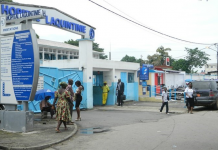
Unlocking The Potential Of E-health To Improve Cameroon’s Health System
By Odette KIBU
E-health is an important revolution since its creation and is it accompanied by so many advantages to better the healthcare sector around the...
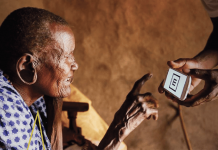
Top 5 Trends in Digital Health in Africa
By Odette Kibu and Denis Foretia
Technology has affected a wide range of sectors in our society, including agriculture, economic, education and socio-political sectors, positively. Digital technologies have...
Latest article
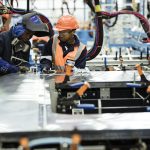
No Factories, No Trade: CEMAC Faces the Challenge of Structural Transformation
Highlights
No CEMAC member State accounts for more than 10% of exports to the continent.
The free movement of people, planned since 1999, has...

Burkina Faso’s New Study Abroad Decree: When Education Becomes a Political Privilege
By Enowbachem Agbortanyi
A Policy Framed as National Development
Burkina Faso's latest decree requiring every student wishing to study abroad to obtain government authorization marks more...
From the WTO MC14 to Action: Building Africa’s Productive Capacity through Trade, Digitalisation and...
Africa cannot rely on trade liberalization alone to achieve economic transformation; instead, it must pair AfCFTA integration with deliberate industrial, agricultural, and digital capacity-building...
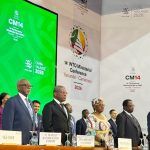
Leveraging WTO MC14 Investment Facilitation for Development to Accelerate Structural Transformation in Cameroon
Investment inflows will generate the expected level of development impact in Cameroon if the country addresses persistent challenges like regulatory inefficiencies, institutional fragmentation, and...

Rethinking Commercial Leadership in Central Africa: Addressing the Challenges of Informality, Inequality, and Digital...
Informality, inequality, weak digital infrastructure, and limited productive financing continue to marginalize ECCAS economies, while calling for coordinated reforms to achieve inclusive and transformative...
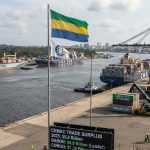
From Market Expansion to Value Addition: Repositioning CEMAC’s Trade Strategy for Structural Transformation
Repositioning CEMAC’s trade strategy requires a decisive shift from commodity-based market participation toward value-driven production systems, where trade, industrial policy, and regional integration are...