

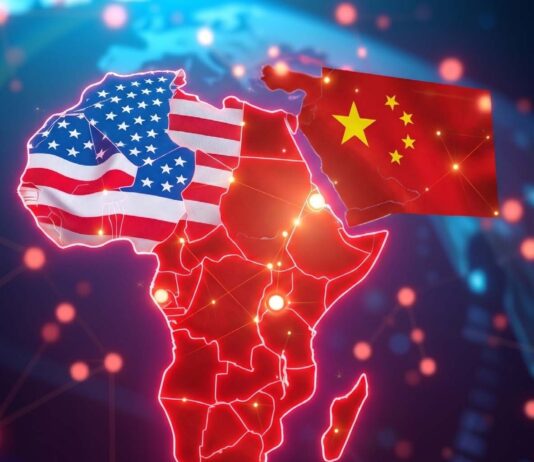

Unconstitutional Changes of Power and Poverty in Guinea Conakry
The proper functioning of the defense and security forces and the legal system is fundamental in shaping a country’s future. These institutions are responsible...
Ethnicity, Alternation at the Top of the Rwandan State and Repercussions on East Africa’s...
National identity is a combination of ethnic identities in African states. The risk of conflagration is an established issue in studies of democracy in...

Is Covid-19 Exacerbating Nationalism While Promoting State Capitalism?
The pandemic has unveiled nation-states craving force for state capitalism and promoting nationalism that is, on the other hand, eroding neoliberal capitalism’s foundations. To what extent are these nationalistic tendencies expressed?
Youth and the Mantle of Leadership and Governance in Africa
Youth can improve the community and culture of society and ring new impetus in leadership. This youth has the urge, innovations, and dynamism to participate actively and meaningfully in
Latest article
No Factories, No Trade: CEMAC Faces the Challenge of Structural Transformation
Highlights
No CEMAC member State accounts for more than 10% of exports to the continent.
The free movement of people, planned since 1999, has...

Burkina Faso’s New Study Abroad Decree: When Education Becomes a Political Privilege
By Enowbachem Agbortanyi
A Policy Framed as National Development
Burkina Faso's latest decree requiring every student wishing to study abroad to obtain government authorization marks more...

From the WTO MC14 to Action: Building Africa’s Productive Capacity through Trade, Digitalisation and...
Africa cannot rely on trade liberalization alone to achieve economic transformation; instead, it must pair AfCFTA integration with deliberate industrial, agricultural, and digital capacity-building...
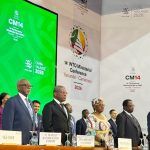
Leveraging WTO MC14 Investment Facilitation for Development to Accelerate Structural Transformation in Cameroon
Investment inflows will generate the expected level of development impact in Cameroon if the country addresses persistent challenges like regulatory inefficiencies, institutional fragmentation, and...

Rethinking Commercial Leadership in Central Africa: Addressing the Challenges of Informality, Inequality, and Digital...
Informality, inequality, weak digital infrastructure, and limited productive financing continue to marginalize ECCAS economies, while calling for coordinated reforms to achieve inclusive and transformative...

From Market Expansion to Value Addition: Repositioning CEMAC’s Trade Strategy for Structural Transformation
Repositioning CEMAC’s trade strategy requires a decisive shift from commodity-based market participation toward value-driven production systems, where trade, industrial policy, and regional integration are...