
Election Monitoring as a Tool for Democratic Governance
By Tazoacha Francis
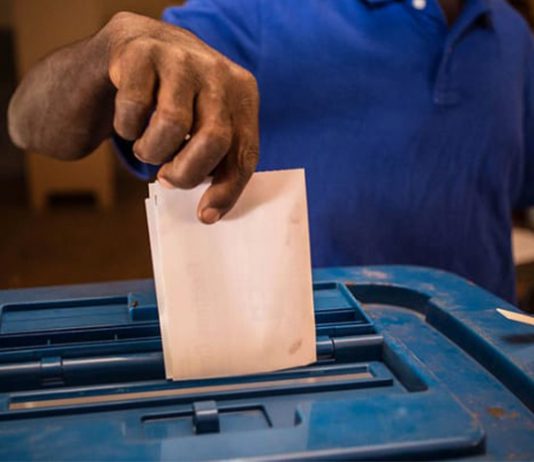
Meaningful democratic processes are indispensable ingredients for peace and sustainable development in every society. An example of such a democratic process is the...
The Withdrawal of Mali, Niger, and Burkina Faso from ECOWAS and its Effect on...
Introduction
AGENDA 2063 is a vision and master plan for Africa to become a worldwide superpower in the future. It is a physical embodiment...
External Intervention and Democracy in the Global South
Lessons from Venezuela and Implications for Africa
By Dr. Pippie Hugues
The Global South has long been a theater for external interventions, often justified in the name...
Central Africa and the third term syndrome, a challenge for Democracy
By Dr. Pippie Hugues (Download pdf version)
Introduction
When the original and constitutional mandate of an elected official expires and he/she engages in attempts to...

Safeguarding Democratic Governance in West Africa: Why ECOWAS Should Not Back Down to Military...
Introduction
The transition of many countries in West Africa to democratic rule in the early 1990s not only brought an end to several years of...
The State of Democracy in Africa Amidst Upcoming Elections in 2024
Introduction
The upcoming general elections in various African nations this year 2024 present a chance to enhance, solidify, and establish democracy while reinforcing governance...
The role of think tanks in strengthening democratic institutions in Central Africa
The idea that rulers are required to think highly in their public affairs management strategy dates back to Plato since ancient Greece. He also...

Political Alliances in Francophone Africa: Lessons from the Senegalese Sonko-Faye Model
Introduction
Over the past ten years, the political landscape of Senegal has undergone a remarkable evolution marked by the unexpected rise of Ousmane Sonko and...

The Role of Civil Society During Elections In Cameroon
Introduction
In 2024, 19 African countries are organizing elections (1). More than half of these elections will take place during the last quarter of the...
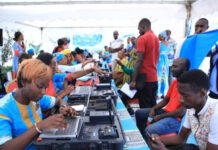
Equality of arms between candidates in electoral processes in Africa: case of Cameroon
Understood as a game, or even a process, election is above all a competition between political actors ( 1 ). From this point of...
Latest article
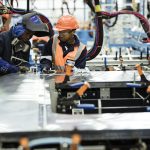
No Factories, No Trade: CEMAC Faces the Challenge of Structural Transformation
Highlights
No CEMAC member State accounts for more than 10% of exports to the continent.
The free movement of people, planned since 1999, has...

Burkina Faso’s New Study Abroad Decree: When Education Becomes a Political Privilege
By Enowbachem Agbortanyi
A Policy Framed as National Development
Burkina Faso's latest decree requiring every student wishing to study abroad to obtain government authorization marks more...
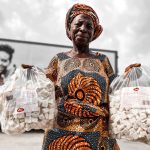
From the WTO MC14 to Action: Building Africa’s Productive Capacity through Trade, Digitalisation and...
Africa cannot rely on trade liberalization alone to achieve economic transformation; instead, it must pair AfCFTA integration with deliberate industrial, agricultural, and digital capacity-building...
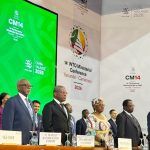
Leveraging WTO MC14 Investment Facilitation for Development to Accelerate Structural Transformation in Cameroon
Investment inflows will generate the expected level of development impact in Cameroon if the country addresses persistent challenges like regulatory inefficiencies, institutional fragmentation, and...
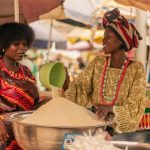
Rethinking Commercial Leadership in Central Africa: Addressing the Challenges of Informality, Inequality, and Digital...
Informality, inequality, weak digital infrastructure, and limited productive financing continue to marginalize ECCAS economies, while calling for coordinated reforms to achieve inclusive and transformative...
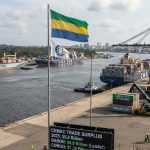
From Market Expansion to Value Addition: Repositioning CEMAC’s Trade Strategy for Structural Transformation
Repositioning CEMAC’s trade strategy requires a decisive shift from commodity-based market participation toward value-driven production systems, where trade, industrial policy, and regional integration are...